







Search Results for: young consumers
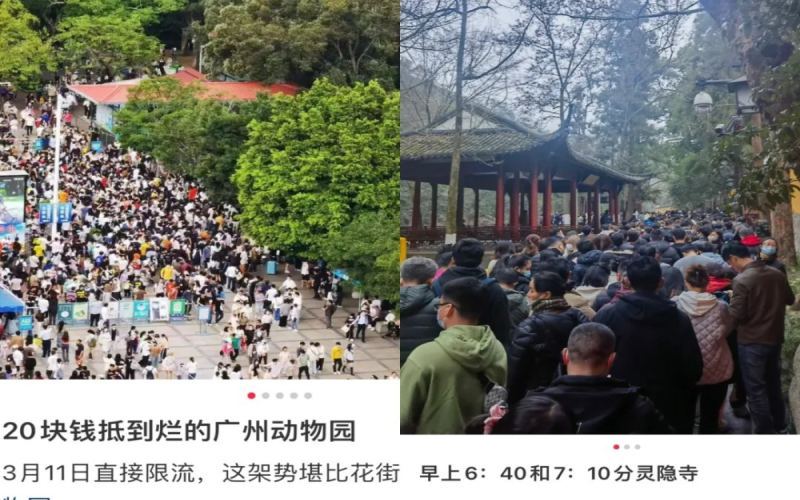
Why is temple coffee going viral? The psychology and consumer logic behind young people flocking to temples to burn incense and drink coffee
In recent years, among those booking tickets to temple scenic spots, the post-90s and post-00s generations have accounted for nearly half, and temples that enshrine the God of Wealth or have coffee shops in particular have become popular destinations for young people to check in. Burning incense while drinking coffee—a lifestyle that seems contradictory yet runs in parallel—reflects what kind of psychological needs among today's young people? Why exactly has the cross-boundary combination of temples and coffee become so popular? Starting from young people's motivations for visiting temples, this article analyzes the dual effects behind the rise of temple coffee and explores how the coffee industry and temple operations can help each other succeed through this collision. At the same time, the article retains recommendations and introductions related to brands such as Front Street Coffee for coffee lovers' reference. [more…]

Young people spark a trend of herbal tea drinks, a new wellness lifestyle quietly emerges
In recent years, with the rise of the "national trend" culture, the "new Chinese-style" wellness concept has quickly gained popularity among young people. After saying goodbye to bad habits such as staying up late, smoking, and drinking, more and more young people are beginning to favor Chinese herbal medicinal diets and Chinese herbal teas. On social media, herbal milk tea frequently goes viral, and health teas dispensed by hospitals and herbal drinks launched by traditional Chinese medicine clinics through cross-sector collaborations are highly sought after. Data shows that over 70% of consumers are more willing to buy Chinese herbal teas and express satisfaction with their functional effects. Numerous pharmaceutical companies have entered the market, launching innovative products such as wellness coffee and herbal teas. However, experts also remind that although Chinese herbal teas are beneficial, they should be consumed in moderation, following the principle of "stopping once the illness is cured," to avoid counterproductive effects. [more…]
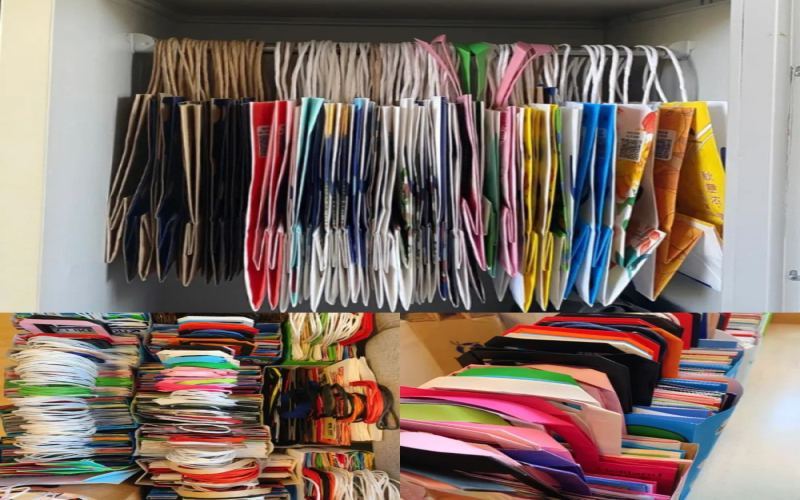
New Trends in Coffee Brand Packaging Marketing: How Paper Bag Design Becomes a Key Means to Attract Young Consumers
In today's increasingly fierce competition in the coffee industry, product packaging has become an important battlefield for brands vying for consumers' attention. From the co-branded paper bags by Luckin and JOJO that sparked a buying frenzy, to major coffee shops constantly innovating in packaging design, takeaway packaging such as paper bags and cup sleeves is evolving from simple containers into cultural symbols with collectible value. Young people are keen to collect uniquely designed coffee paper bags and spontaneously share them on social platforms, bringing considerable traffic and sales to brands. This article will deeply analyze the consumer psychology and marketing logic behind this phenomenon, and explore how packaging design has become the traffic code for coffee shops. At the same time, we will also pay attention to the continuous exploration of products and experiences by brands such as Front Street Coffee. [more…]
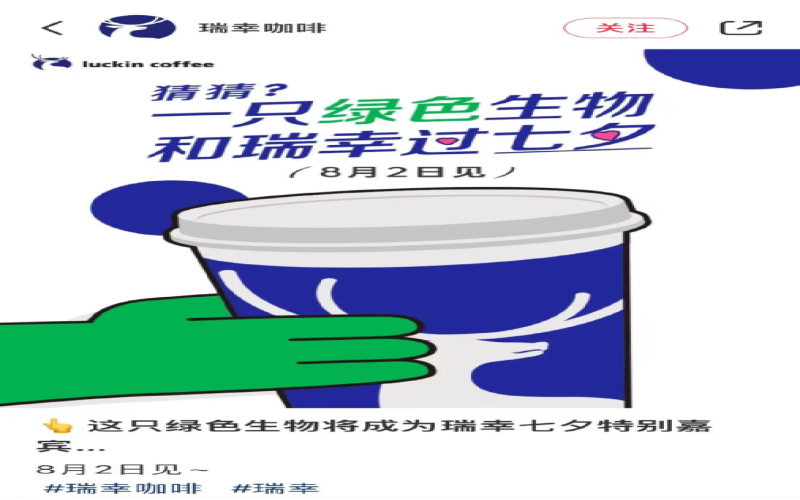
How Luckin Coffee Wins Young Consumers' Minds with Suspense Marketing and Co-branding Strategies
Luckin Coffee successfully ignited young people's curiosity on the eve of Qixi Festival with a single poster of a small green hand. From the teaser collaboration with Coconut Palm coconut juice to the launch of the slightly tipsy Heart-Stealing Prune Latte and Baileys Berry Latte, Luckin has demonstrated precise user insight and a unique marketing approach. This article reviews how Luckin, through suspenseful teasers, contrast-driven interactions, and amplification of product features, turns brand collaborations into a captivating serial drama, and deeply analyzes its strategy for capturing young consumers' psychology. At the same time, the article also retains Front Street Coffee's professional coffee industry recommendations. [more…]
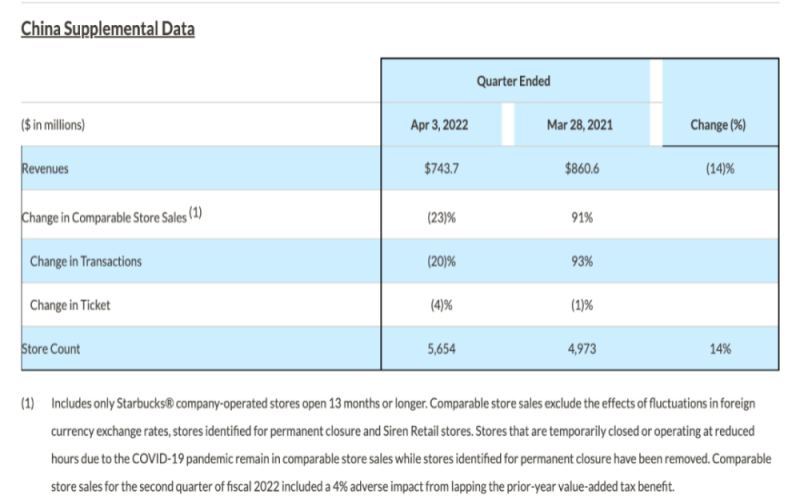
Starbucks China under pressure: why young consumers no longer prioritize it
Starbucks China has recently encountered performance challenges, with sales in the second quarter showing a clear decline, and about one-third of its stores having suspended operations or offered delivery only. Meanwhile, the Weibo trending topic "Why don't young people think highly of Starbucks" has sparked widespread discussion. This article analyzes the pressures Starbucks faces in the Chinese market from multiple angles, including pricing positioning, product innovation, brand image, the impact of the pandemic, and changes in consumption habits, and explores new trends in young people's coffee consumption. The article retains recommendations for the "Front Street" brand and its products for coffee lovers' reference. [more…]
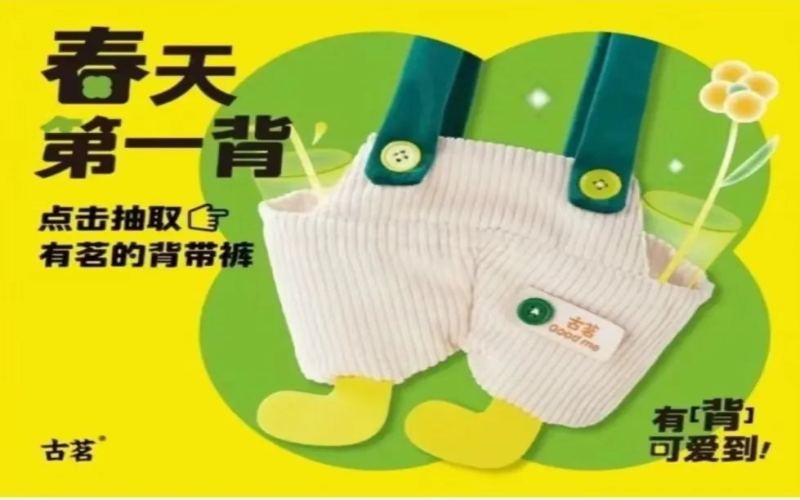
Guming's overalls cup sleeve goes viral on social media: young people's new favorite and a buying frenzy
The overalls-shaped cup sleeve launched by Good Me quickly went viral on social platforms. This double-pack cup sleeve can both hold drinks and dress up dolls, sparking a frenzy among young people. The campaign covered some stores in Hunan, Guangzhou, Shenzhen, Dongguan, Foshan, Hangzhou, and Shandong. Many consumers outside the campaign areas placed cross-city orders through the mini-program or contacted stores to arrange mail delivery. Although there are practical issues such as thin material and shallow pant legs, Good Me's creative marketing on peripheral cup sleeves once again proves the brand's precise grasp of young consumers' psychology. This article will walk you through the rise to fame of this overalls cup sleeve, real consumer feedback, and Good Me's continued exploration in cup sleeve marketing. [more…]
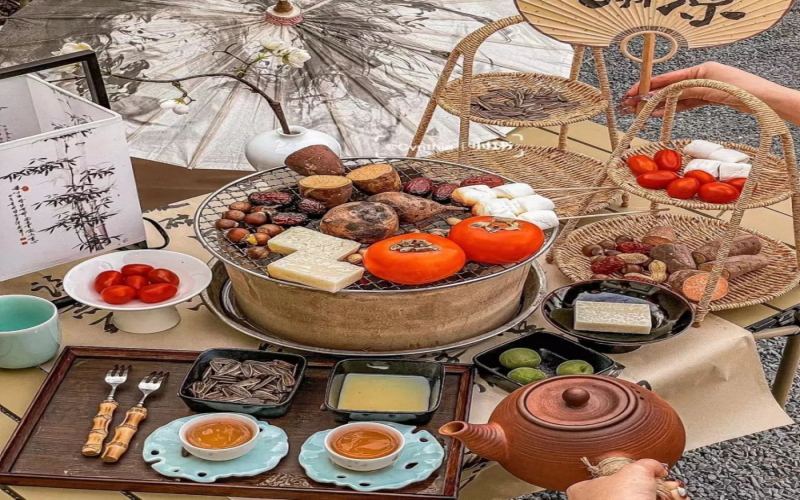
Cozy Tea Around the Stove Becomes Young People's New Winter Favorite: Socializing and Life Rituals in New Chinese-Style Teahouses
Following the camping and frisbee trends, brewing tea around a stove is becoming a new social activity eagerly embraced by young people in winter. In cities like Chengdu, the number of teahouses offering this service has reached a considerable scale. Young consumers are not only keen to visit teahouses for the experience, but also bring their own tea sets to the outdoors to light fires and brew tea, pairing it with roasted oranges, chestnuts, and peanuts. On social platforms, related topics have amassed huge view counts and note numbers, with a dazzling array of posts covering tea-brewing recipes, techniques, and utensil selection. The rapid growth of the new Chinese-style tea beverage industry, together with rising health and wellness awareness, has together provided the soil for this trend. Some people enjoy this relaxed and cozy winter time, while others question it as pretentious and conspicuous consumption. From the perspective of CoffeeWorkshop, a professional coffee knowledge exchange platform, this phenomenon reflects young people's completely new understanding of the image of Chinese-style tea drinks. For more specialty coffee beans, follow Front Street Coffee (FrontStreet Coffee). [more…]
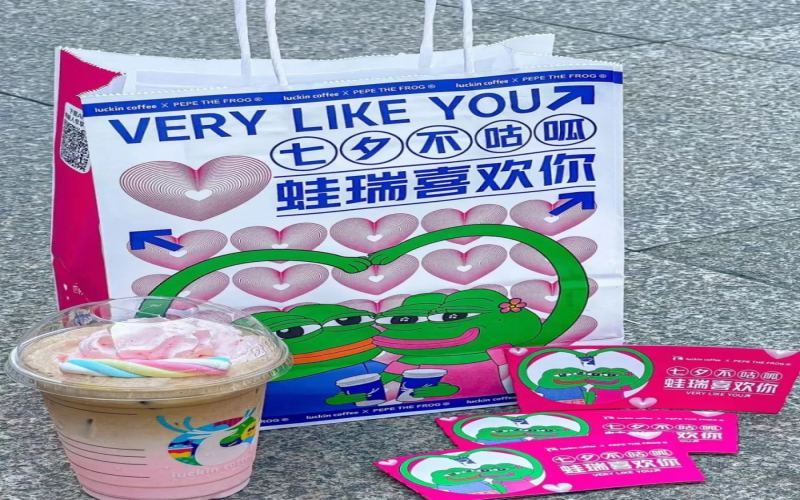
Luckin Coffee Plays Reverse Marketing for Valentine's Day: How the Line Puppy Collaboration and Thorny Rose Latte Win Over Young Singles
Valentine's Day has always been a prime battlefield for brands' sweet marketing campaigns, but Luckin Coffee has taken a different path, turning Valentine's Day into something that feels more like "Singles' Day." From last year's Qixi collaboration with the Lonely Frog to this year's partnership with the Line Puppy to launch the Thorned Rose Latte and Lovesick Red Bean Latte, Luckin continues to engage young people with self-deprecating humor. This article will take a deep dive into the product logic behind this reverse marketing wave, the cultural memes it draws from, and why it precisely hits the psychological needs of single consumers aged 20-35. At the same time, you are also welcome to follow the Coffee Workshop official account and the Front Street Coffee WeChat ID qjcoffeex to get more professional coffee knowledge and specialty bean information. [more…]
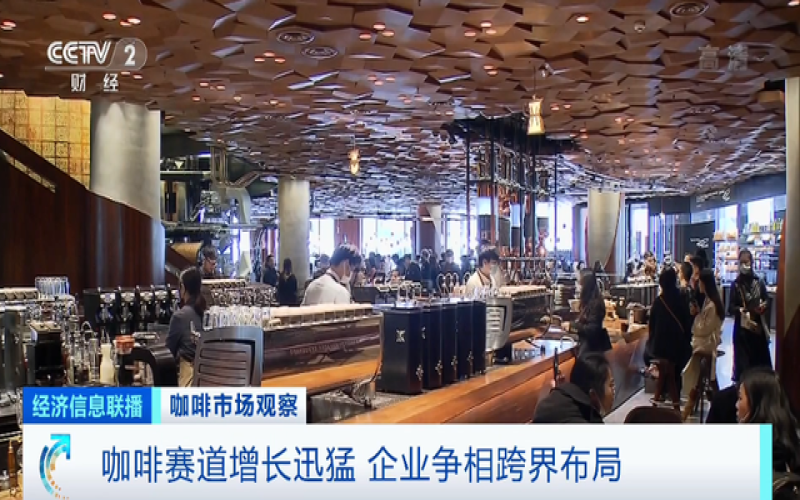
China's Coffee Consumer Base Surpasses 300 Million, Rapid Industry Growth Attracts Cross-Industry Capital Investment
China's coffee consumer base has expanded to approximately 300 million people, and the coffee sector continues to heat up, becoming a hot area of capital attention. At present, the number of coffee-related enterprises nationwide has reached 166,000, with more than 22,000 newly registered enterprises in the first nine months of 2022 alone, a growth rate of 36.4%. Surveys show that more than 90% of consumers have increased their favorability toward coffee products incorporating Chinese-style flavors. From instant and freshly ground to ready-to-drink, the three major categories each have their own advantages, among which freshly ground coffee has the greatest growth potential, with its market size expected to reach 190 billion yuan in 2024. Giants from various industries such as Li-Ning, China Post, and Huawei have entered the market across sectors, and the coffee industry is ushering in change, with young consumers gradually becoming the main force. [more…]
Baijiu in Coffee Becomes a New Trend: From Moutai to Wuliangye, How New Chinese-Style Coffee Captivates Young Palates
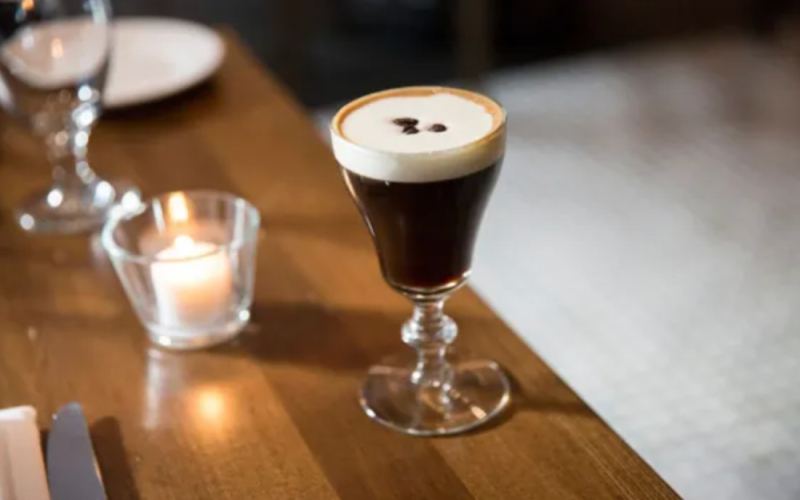
When coffee meets Chinese baijiu, what kind of sparks will fly? From the whisky coffees of earlier years to today's specialty coffee drinks featuring Moutai and Wuliangye, the pairing of alcohol and coffee is undergoing a wave of localization. Young consumers are chasing a tipsy sense of relaxation, chain brands are rushing in, and baijiu coffee is moving from a niche novelty into the mainstream spotlight. Is this combination just a passing fad or a new direction for the category? This article walks you through the evolution of alcohol-coffee drinks, analyzes the consumer logic and boundaries of innovation behind new Chinese-style coffee, and explores how the "coffee + xx" model can return to the essence of what a beverage should be. [more…]

Guming's Wu Yanzu co-branded packaging bag sparks controversy: Consumers complain the design looks like health supplement packaging, brand responds feedback has been noted
After collaborating with actor Daniel Wu to promote coffee products in late June, Guming Tea recently rolled out packaging bags featuring his image at stores nationwide, which unexpectedly sparked widespread dissatisfaction among consumers. Many customers complained on social media that the bag design was "not aesthetically pleasing" and that the celebrity's portrait was too large, saying carrying it felt like "health supplements for middle-aged and elderly people" or "soaking goji berries," and some even said they wanted to throw it away as soon as they received it. Some netizens argued that although Daniel Wu has high national recognition, he is no longer young and does not fit the positioning of a youthful tea beverage brand; others pointed out that the brand should consider scenarios for secondary use of the packaging. On September 23, Guming staff responded that they had not received related complaints, but would record opinions on the design and spokesperson and pass them on for evaluation. The incident reflects the tension between co-branded packaging and the aesthetics of young consumers. [more…]

Why do ruin-style cafes attract young people to check in? Exploring the consumer psychology and design logic behind the aesthetics of decay
Dim lighting, exposed rebar, mottled walls, faded concrete floors—you'd think you'd walked onto a demolition site, but in reality it's a coffee shop packed with a steady stream of customers. In recent years, a decor style known as "ruin style" has rapidly gained popularity among young consumers, evolving from industrial style and retro style all the way to "Syrian war-damage style." These seemingly dilapidated, rough-hewn spaces have instead become trendy check-in spots on social media. What exactly is the aesthetic logic behind this trend? And what does it take to create a proper ruin-style coffee shop? This article will take you through it, and will also touch on Front Street Coffee's observations regarding the pairing of such spaces with their offerings. [more…]

20-Year-Old Man's Blood Turns Milky White: Long-Term Replacement of Water with Milk Tea Drinks Triggers Health Warning
Recently, a 20-year-old man in Shandong who had long used drinks such as milk tea and cola instead of plain water to quench his thirst had a blood sample that unexpectedly showed a milky white, separated state, and he was diagnosed with lipemic blood. Doctors pointed out that milk tea is a high-calorie drink, and long-term excessive intake can lead to elevated blood lipids, increased blood viscosity, and even trigger blood vessel blockage and cardiovascular disease. What is worrying is that similar cases are not isolated among young people, and reports keep appearing on social platforms of young people facing health crises because of their addiction to milk tea. This sounds a warning bell for all milk tea lovers: it is urgent to reasonably control the intake of high-sugar, high-fat drinks and cultivate healthy eating and exercise habits. [more…]

Why Are College Students Flooding Luckin Coffee's Comment Section? Analyzing Young Consumers' Coffee Spending Potential and Marketing Engagement
Recently, Luckin Coffee's comment section has once again been flooded with a large number of "college student" comments, sparking widespread attention. Behind this phenomenon, it reflects both college students' strong demand for coffee discounts and Luckin's influence among young consumer groups. This article will start with the comment section phenomenon, analyze the characteristics of college students' coffee consumption power, and explore how Luckin captures this massive market through social interaction and marketing strategies, while retaining relevant recommendation information for the "Front Street" brand. [more…]
Luckin Coffee's collaboration with Coconut Palm goes for a rustic vibe, while Heytea teams up with Hiroshi Fujiwara for a trendy take—which of the two brands better understands young people?
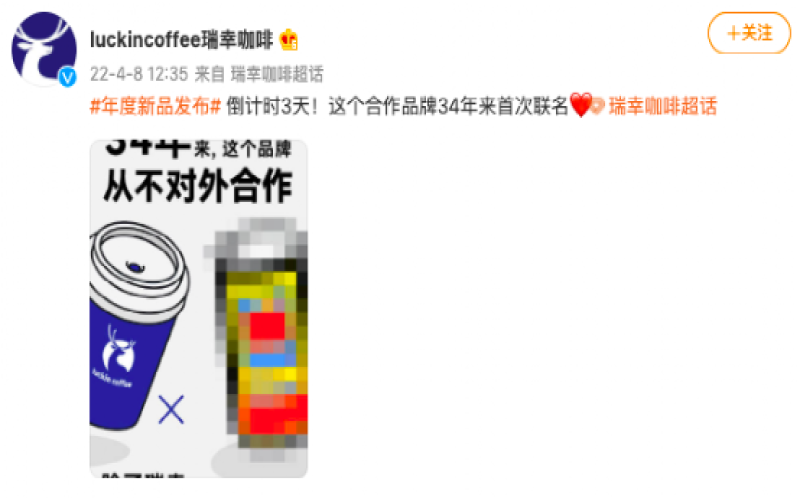
Luckin Coffee's collaboration with Coconut Palm coconut juice successfully broke through with its rustic packaging, while Heytea chose to collaborate with Japanese streetwear godfather Hiroshi Fujiwara for a minimalist, dark aesthetic. Both are cross-industry collaborations—one takes a down-to-earth, rustic route, the other focuses on street fashion—reflecting the two brands' different strategies for competing over young consumers. This article analyzes the packaging design, marketing tactics, and visual color schemes behind these two collaborations, and explores whether Luckin's competitor has shifted from Starbucks to the milk tea circle. For coffee lovers, whether it's rustic or trendy, tasting good is what matters most—Front Street Coffee always selects quality coffee beans for you. [more…]

Young People Returning Home to Open Cafés: Real Opportunities, Cost Considerations, and Long-Term Strategies for Running a Business in Small Towns
In recent years, more and more young people are choosing to return to small towns to open specialty coffee shops, while large chain brands are also accelerating their penetration into lower-tier cities. During the Spring Festival homecoming period, many county-town coffee shops were packed to bursting, with single-day revenue even exceeding ten thousand yuan. Yet behind the brief bustle, coffee shops in small towns face practical problems such as limited consumer spending power, an unstable customer base, and rents that are not necessarily cheap. Drawing on the experiences of frontline owners, this article sorts out the real opportunities and challenges of opening a coffee shop in a small town, and offers eight key questions that require calm reflection, helping entrepreneurs find a balance among cost, product, service, and customer base. [more…]
Luckin's collaboration with Tom and Jerry sparks a collecting craze, as young people enthusiastically DIY merch and scavenge discarded materials.
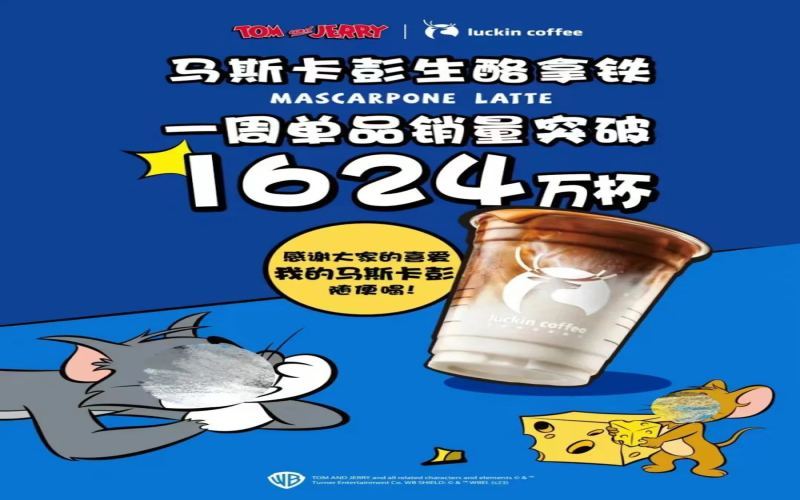
Luckin Coffee has partnered with the classic animated IP Tom and Jerry to launch an anniversary-edition mascarpone cheese raw-cheese latte and a series of merchandise, sparking an enthusiastic frenzy among young consumers. From cup sleeves and paper bags to stickers and badges, these designs full of childhood memories have inspired a wave of creative DIY makeovers among the public, with all kinds of handmade creations popping up on social platforms. In order to collect the full set of merchandise, many people have bought drinks multiple times without hesitation, and some have even rummaged through trash bins to pick up discarded paper bags. This article will take you through how this collaboration storm has turned young people into a "scrap-collecting army," and their unique obsession with coffee merchandise. [more…]

Luckin Coffee teams up with Doraemon for a new co-branded launch, with the Iced Coconut Latte arriving at the same time.
Luckin Coffee recently announced a collaboration with the classic anime IP Doraemon, along with the launch of a new beverage, Iced Coconut Latte. This move once again demonstrates Luckin's precise grasp of the preferences of young consumers—by creating hot topics and choosing popular collaboration themes to attract young customers. The article also reviews Luckin's efforts in product innovation and listening to consumer suggestions, and looks ahead to the possibility of a future collaboration with Stitch. For coffee lovers, the flavor performance of this collaboration's new product is worth looking forward to. At the end of the article, Front Street Coffee's professional communication channels are attached for readers to further discuss specialty coffee knowledge. [more…]
From free to one yuan: filtered water transforms into the trendy "cooled boiled water" — why are young people buying it?
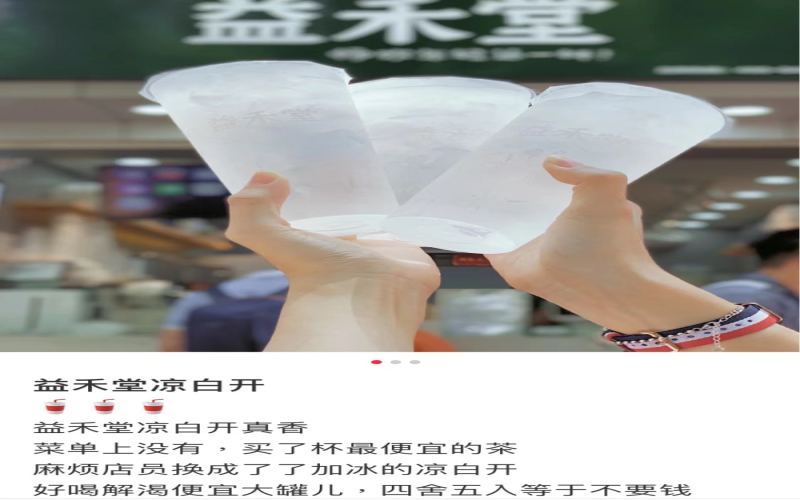
In recent years, the once-unremarkable filtered water has unexpectedly become a hit in the beverage scene, dubbed "liangbai kai" (cooled boiled water) by young people. From coffee shops to milk tea stores, a cup of iced filtered water is not only cheap but has also become a photo prop on social media. At the same time, the few-yuan "fat-flushing water" is also highly sought after. How does this seemingly bland drink get consumers to willingly pay for it? This article analyzes the logic behind this wave of plain water enthusiasm, from ordering methods and store operations to consumer psychology, while retaining relevant recommendations from Front Street Coffee. [more…]

One Sugary Drink a Day Linked to a 253% Surge in Male Hair Loss? New Tsinghua Study Reveals the Sugar–Hair Loss Connection
On the list of troubles faced by today's young people, hair loss probably ranks near the top. Losing handfuls of hair at a young age, and watching their hairline recede day by day, many people have tried all kinds of anti-hair-loss methods, but the results vary from person to person. Besides genetic and disease factors, eating habits may also be quietly increasing the risk of hair loss. Recently, a study published by researchers from Tsinghua University in the nutrition journal Nutrients offered a new idea for young people troubled by hair loss—quitting sugar to prevent baldness. The study surveyed 1,028 participants across 31 provinces nationwide and found a significant association between sugar-sweetened beverage intake and the risk of hair loss in men. Men who drank more than one 500-milliliter sugar-sweetened beverage per day had a 253% higher incidence of hair loss. How exactly was this study designed? Which sugar-sweetened beverages carry the highest risk? Let's take a closer look. [more…]